One of the basic tenets of business is no matter how good something is, you've got to sell it to people; it doesn't sell itself. That philosophy may pay dividends to Crawford County, thanks to a $500,000 grant procured by Driftless Development, Inc. (DDI) this past month.
According to a release from DDI, the Talent-Recruitment Grant (TRG), which is administered by the Wisconsin Economic Development Corporation and funded through the state's biennial budget, allocated a total of $5 million to bring out-of-state workers and families to Wisconsin.
With the WEDC award, DDI has started the Come Home to River Country program to provide relocation incentives for qualifying households outside of Wisconsin to move to Crawford County.
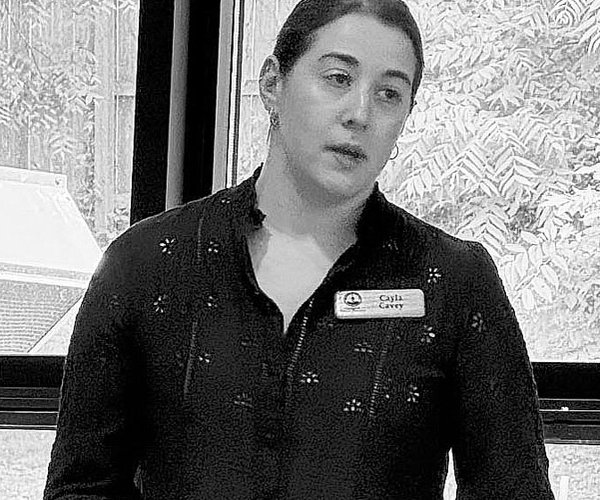
"What the TRG offers is something we didn't have before: a concrete, fundable reason for someone already interested in our area to actually make the move. For rural communities, that bridge between interest and action is everything. This program gives us the tools to close that gap," said DDI Executive Director Nikki Dudley.
The award from the TRG "serves as the foundation" for DDI's program, which also includes financial commitments from local partners and in-kind recruitment support from regional employers. The largest award one household can get from the River Country program is $30,000; however, they can get additional incentives from DDI's partners.
Depending on where someone chooses to reside in the county, there are additional incentives, such as land waivers, free utility hookups, and home-buying counseling, among many others.
Combining all the available incentives and resources for the program, the total value of Come Home to River Country is reportedly around $1.3 million.
"When you start stacking up all of these other incentives, the financial package can be quite significant," said Dudley.
Households can use the incentives to purchase, build or rehabilitate housing or a long-term rental. The higher award amounts are focused on incentivizing owner-occupied housing. The program's incentives are forgivable assistance contingent on the participants' residency in the county.
"We not only want people to move here; we want them to stay," said Dudley.
The WEDC cited the forgivable mortgage structure and emphasis on retention as reasons for the substantial award to DDI's program.
Through the program, DDI plans to recruit 25 qualifying households over three years.
The program will target candidates in a variety of professions, including education, healthcare, manufacturing and skilled trades. Other demographics, such as young families and mid-career professionals, will also be considered. A qualifying household — whether it is an individual or family — must currently reside outside the state of Wisconsin and have a minimum household income of $55,000.
DDI also has $10,000 from a private donor to give to teachers who participate in the program.
According to Dudley, bringing in new people is an essential part of building a thriving community, and families, in particular, are a hot commodity. "Even one family can have a significant impact on our community.”
An influx of new families is the most direct way to address some of the most difficult problems facing rural Wisconsin today, including declining school enrollment, boosting the economy and increasing tourism traffic. When people come to Crawford, they may visit other parts of the county. A family moving to Prairie du Chien could explore the northern part of the county, creating a "tourist funnel" to bring attention to other communities, like Gays Mills and Seneca.
"People are looking for that way of life away from the hustle and bustle," said Dudley. "Our county has many of those amenities. If we can make it easier for people to come here, then that's a good thing."
Dudley said DDI is encouraging people to spread the word, whether it's to look at Crawford County as their new home or, perhaps, to entice them back to their home county. More information is available at https://www.driftlessdevelopment.org/come-home-to-river-country.